Smart glass changes light transmission; transparent displays add information
This independent resource details the optical behaviour, display functions, and installation constraints of modern active glazing. Integrating switchable transmission films and transparent matrices requires a specification-minded approach to electrical infrastructure and environmental ambient light control.
Whether examining electrochromic transition delays or the cathode transmissivity of organic light-emitting diodes, architects and specifiers must separate marketing claims from structural and optical reality.
Examine Glass Technologies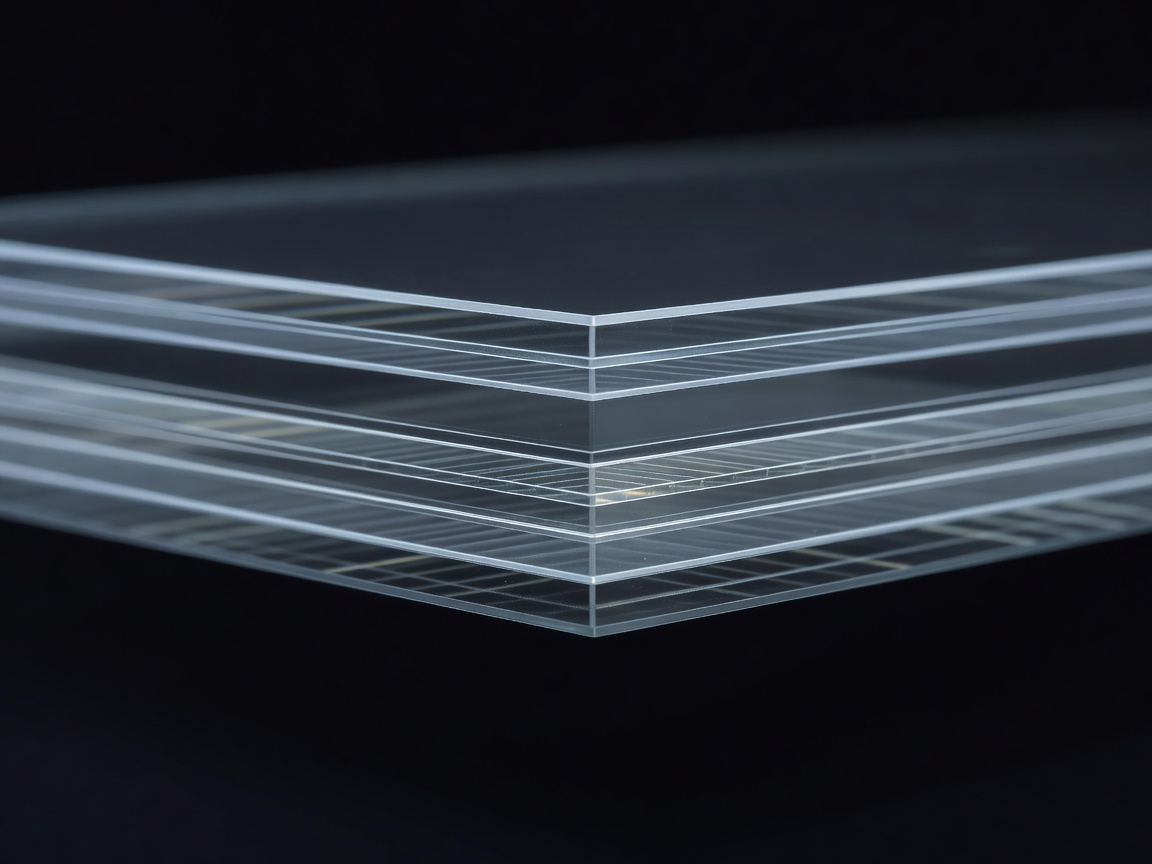
- Transmission Control: PDLC, SPD, and electrochromic oxides vary light passing through the pane, offering thermal and privacy modulation.
- Display Integration: Transparent OLED and LCD systems embed sub-pixel structures within glass to emit or block light locally.
- Structural Impact: Both approaches require low-voltage wiring passing through sealed mullions and continuous busbar connections.
Specification Categories
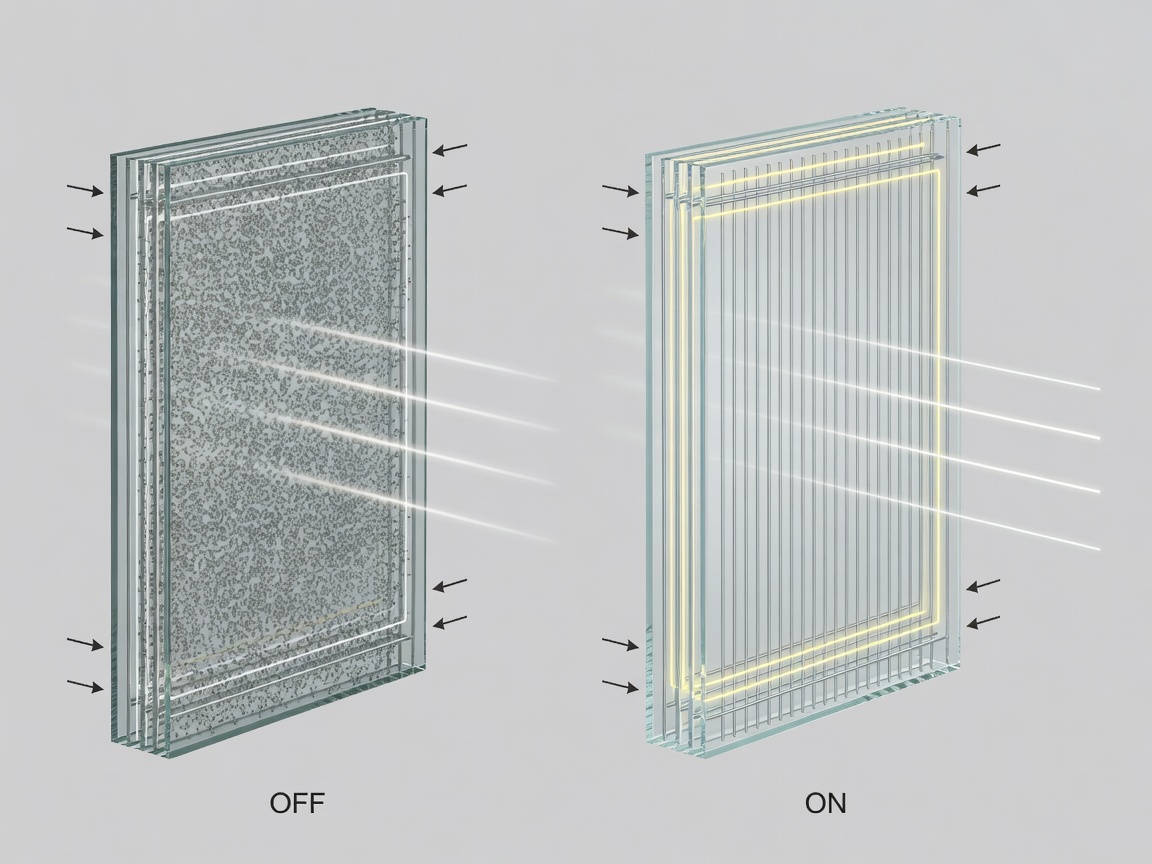
Controlling Transmission
Analyse the functional differences between Suspended Particle Devices (SPD), Polymer-Dispersed Liquid Crystals (PDLC), and true electrochromic glazing. Understand state-change latency, thermal limits, and haze factors.
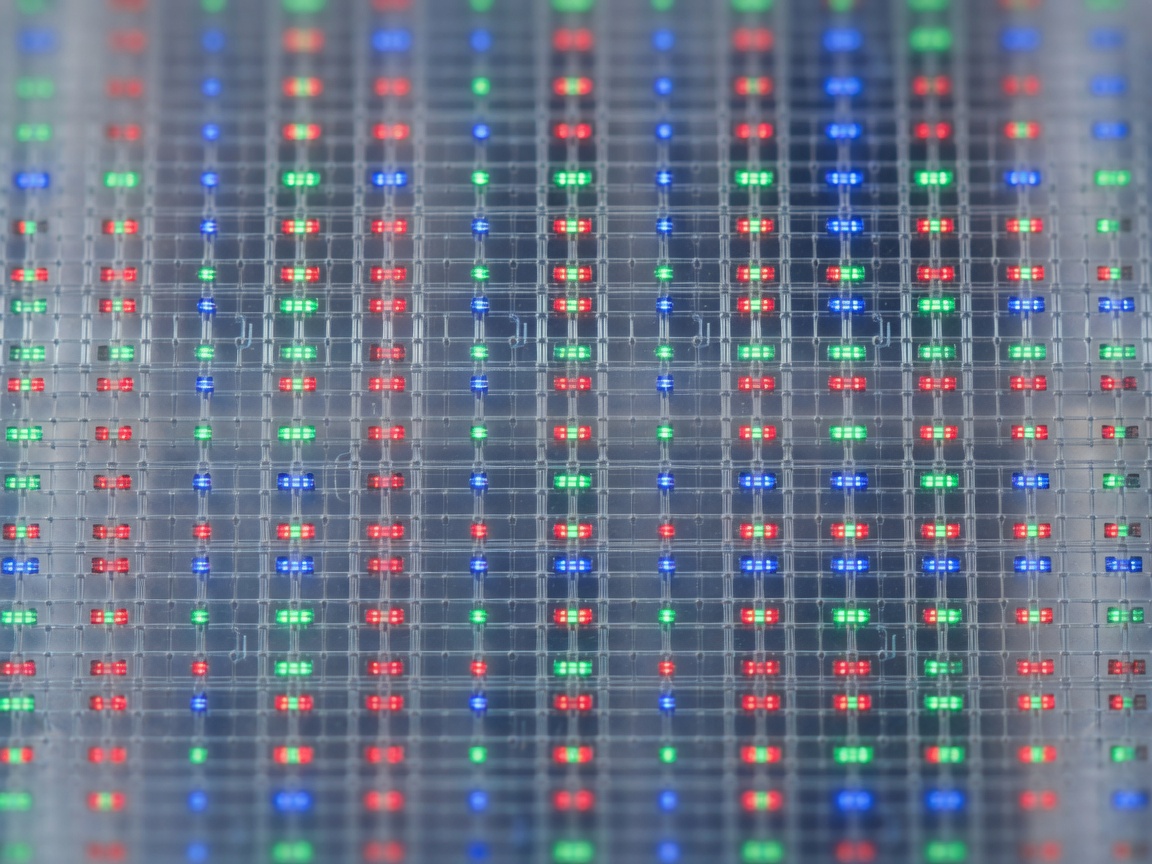
Displaying Information
Review the architecture of transparent organic light-emitting diode displays. Examine cathode transmittance percentages, pixel pitch density, and contrast degradation under direct ambient daylight.
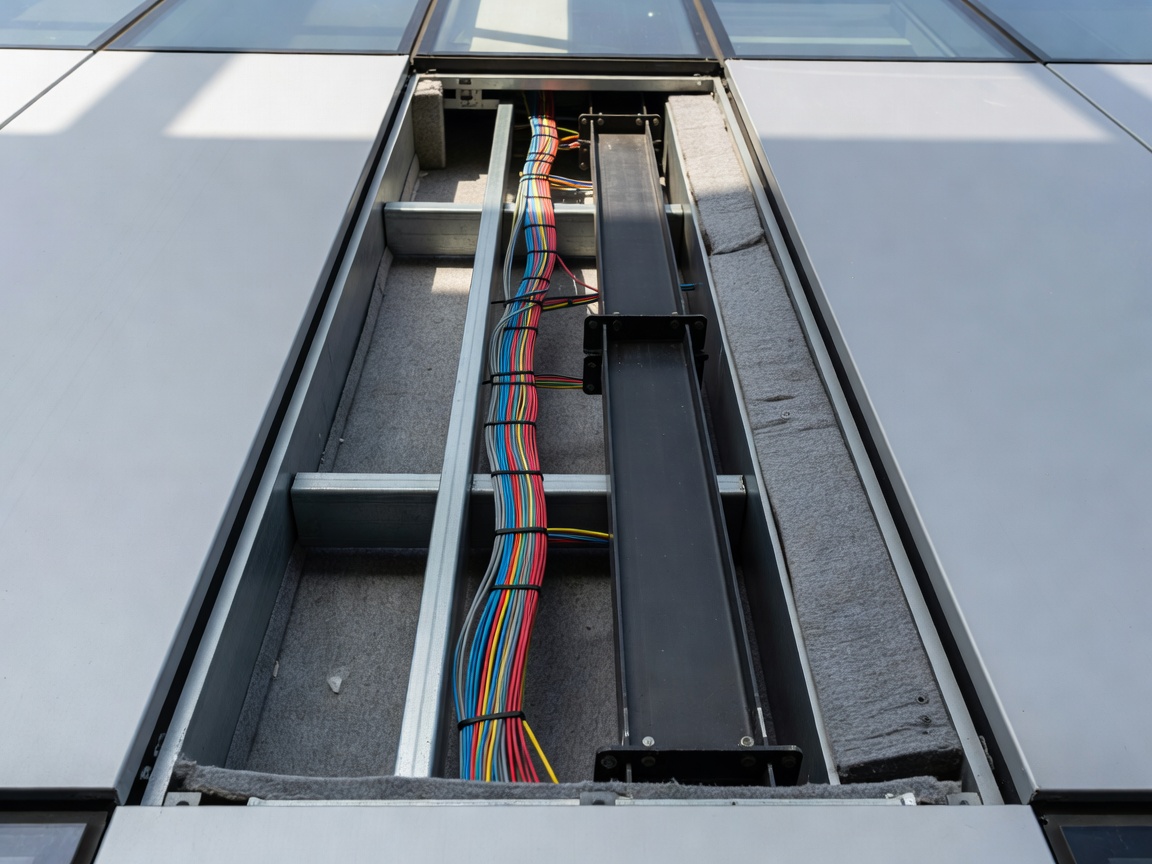
Power and Wiring
Evaluate the necessary continuous power states, AC versus DC voltage specifications, hidden busbar integration along insulated glass unit (IGU) edges, and building management system compliance.

Viewing Conditions
Determine optical limits when integrating active glass. Address the absence of true black in transparent emissive displays, off-axis colour shifting, and strategies to mitigate ambient light reflection.